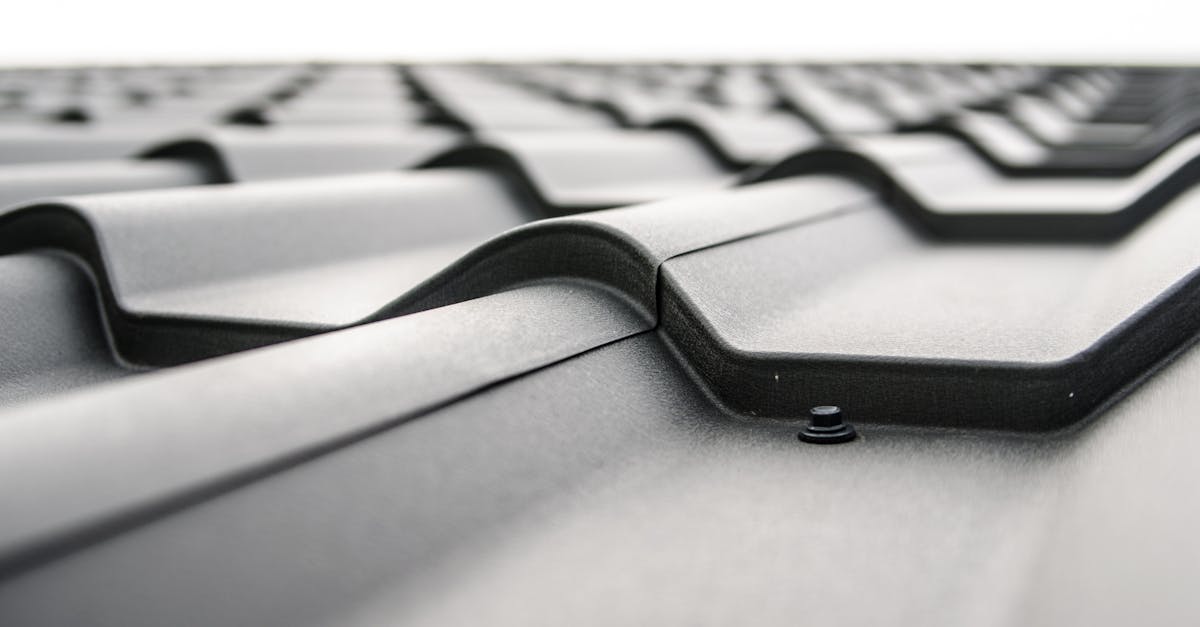
How Plant-Based Cleaners Are Transforming Roof Care
Table Of Contents
Common Ingredients in Plant-Based Roof Cleaners
Plant-based roof cleaners primarily utilise natural ingredients that are both effective and environmentally friendly. Common components include vinegar, which is known for its ability to dissolve mineral deposits and kill mould, and baking soda, prized for its gentle abrasive properties and deodorising capabilities. Essential oils, such as tea tree or eucalyptus, are often added for their antibacterial and antifungal qualities, providing added protection against the growth of unwanted organisms.
Another frequently used ingredient is biodegradable surfactants derived from plant sources. These surfactants enhance the cleaning power of the formulas by breaking down grease and grime without causing harm to the surrounding environment. Citrus extracts are also popular, offering not only a pleasant fragrance but also potent cleaning abilities due to their citric acid content. The combination of these ingredients creates an effective solution for maintaining the integrity and appearance of roofs while prioritising ecological balance.
Evaluating Their Cleaning Power
The effectiveness of plant-based cleaners relies heavily on their natural ingredients, which often have strong cleaning properties. Ingredients such as vinegar, baking soda, and essential oils can break down dirt, grime, and stains without harsh chemicals. In many cases, these natural compounds possess antimicrobial properties, making them suitable for treating mould and mildew that can accumulate on roofs. As homeowners become more aware of environmentally friendly solutions, they increasingly turn to these alternatives for both their efficacy and reduced ecological footprint.
Research indicates that while plant-based cleaners may not always deliver the same immediate results as traditional chemical cleaners, their long-term benefits often outweigh initial performance concerns. Many formulations are designed to work with time, slowly breaking down tough deposits and preventing future build-up. Trials conducted under various conditions reveal that with consistent use, plant-based cleaners can maintain roof cleanliness and integrity, making them a viable option for those seeking sustainable maintenance practices.
DIY Plant-Based Cleaner Recipes
Creating your own plant-based roof cleaners at home can be a simple and cost-effective solution. A mixture of vinegar, baking soda, and water works effectively against moss and algae. Combine equal parts of vinegar and water, then add a sprinkle of baking soda to create a fizzy reaction. Apply the mixture directly onto the affected areas, allowing it to sit for 30 minutes before rinsing off with water.
Another effective recipe involves mixing liquid castile soap with essential oils. A combination of one cup of castile soap and a few drops of tea tree oil can provide antibacterial properties. The soap acts as a surfactant, helping to lift dirt and debris from the roof surface. Use this solution with a spray bottle for easy application, ensuring to cover the problem areas thoroughly before rinsing with water.
Simple Formulas for Home Use
Homemade plant-based cleaners offer a sustainable and cost-effective solution for those looking to maintain their roofs without harsh chemicals. One popular recipe involves mixing equal parts of white vinegar and water, which acts as a natural disinfectant and helps remove stains caused by moss and algae. Another effective mixture combines baking soda, a few drops of liquid castile soap, and warm water. This paste can be applied to stubborn spots on the roof, providing gentle abrasion to lift grime without damaging the materials.
In addition to these simple formulas, essential oils can enhance the cleaning process with natural fragrances and added antibacterial properties. A couple of drops of tea tree oil mixed with the vinegar solution can improve its effectiveness against mould and mildew. These homemade cleaners not only reduce chemical runoff into the environment but also contribute to a healthier living space while ensuring roof care is manageable and efficient.
Testing and Certification of Eco-Friendly Cleaners
In the realm of eco-friendly cleaning products, rigorous testing and certification play vital roles in determining their safety and effectiveness. Various organisations focus on evaluating plant-based cleaners to ensure they fulfil environmental standards. These certifications often involve laboratory tests to analyse the ingredients used and their impact on both user health and the environment. Independent assessments can provide consumers with the confidence that they are making responsible choices.
Industry standards set by various Australian bodies aim to streamline the verification process for eco-friendly cleaners. Products often undergo evaluations to confirm their biodegradability, non-toxicity, and overall cleaning performance. Consumers can look for labels indicating such certifications, which serve as guidelines for selecting products that not only clean effectively but also align with sustainable practices. This assurance allows users to feel more confident in their purchasing decisions while supporting a cleaner planet.
Ensuring Product Safety and Efficacy
Many eco-friendly cleaners undergo rigorous testing to ensure they meet safety standards. Certifications from reputable organisations can provide consumers with assurance regarding the effectiveness and safety of these products. Independent testing labs evaluate the ingredients for potential hazards, ensuring that plant-based formulations do not compromise user safety or environmental health.
Regulatory compliance is another important aspect of the safety and efficacy of these cleaners. Manufacturers must adhere to guidelines set by environmental agencies, which often encourage transparency about ingredients and their sources. This allows consumers to make informed choices, supporting a safer cleaning environment without detrimental impacts on the planet.
FAQS
What are the common ingredients found in plant-based roof cleaners?
Common ingredients in plant-based roof cleaners include vinegar, baking soda, essential oils, and natural surfactants derived from plants. These ingredients are effective in breaking down dirt, grime, and algae without the harsh chemicals found in traditional cleaners.
How effective are plant-based cleaners compared to traditional roof cleaning products?
Plant-based cleaners can be just as effective as traditional cleaners, depending on the formulation. Many are designed to tackle specific issues like mould and mildew while being gentler on surfaces and the environment. It's important to evaluate individual products for their cleaning power.
Can I make my own plant-based roof cleaner at home?
Yes, you can easily make your own plant-based roof cleaner at home using simple ingredients. Common DIY recipes may include a mixture of vinegar and water, or baking soda combined with essential oils for added cleaning power.
How can I ensure that a plant-based cleaner is safe and certified?
Look for products that have been tested and certified by reputable environmental organisations. Certifications such as Green Seal or EcoLabel indicate that the product meets specific safety and environmental standards.
Are plant-based cleaners suitable for all types of roofing materials?
While plant-based cleaners are generally safe for most roofing materials, it's advisable to check the manufacturer's recommendations or conduct a patch test on a small area to ensure compatibility, especially with delicate surfaces like slate or certain types of tiles.
Related Links
Evaluating the Effectiveness of Organic Roof Cleaning ProductsThe Role of Eco-Friendly Detergents in Roof Maintenance
Rainwater Harvesting: An Eco-Friendly Roof Cleaning Approach
Eco-Friendly Roof Cleaners: A Comprehensive Guide
The Importance of pH Neutral Cleaners for Roof Longevity