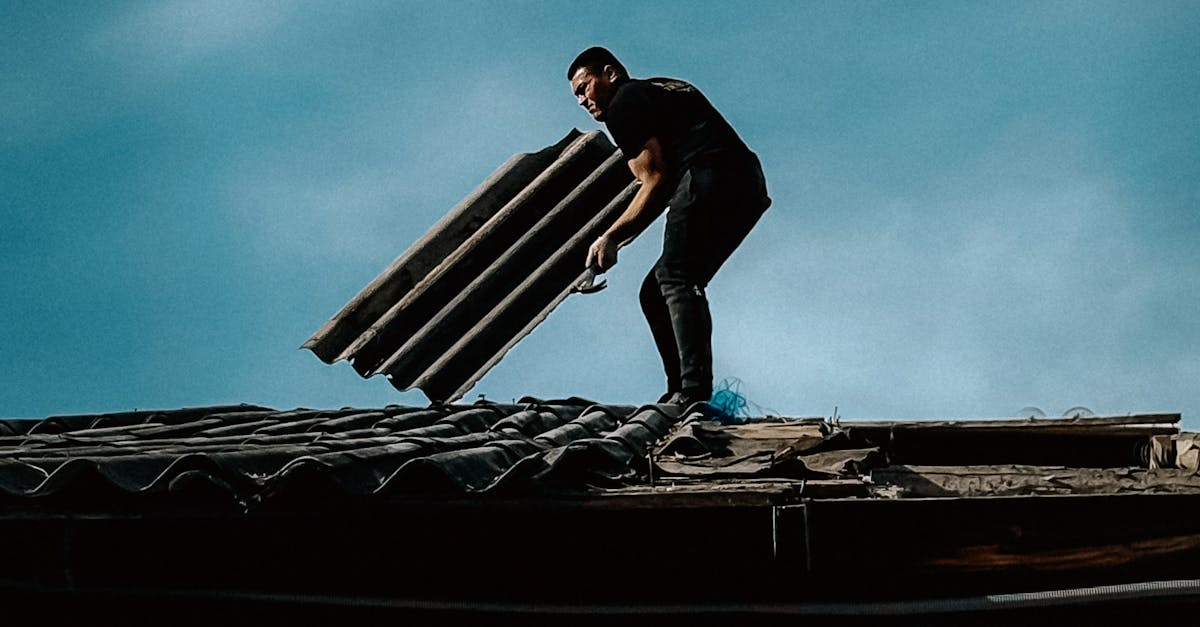
Importance of Routine Maintenance for Commercial Roofs in Sydney
Table Of Contents
Cost Implications of Neglecting Maintenance
Ignoring regular maintenance can lead to significant financial strain for businesses over time. Minor issues can quickly escalate into major problems if left unattended. A small leak, for example, can cause extensive water damage, necessitating costly repairs. Building tenants may also face disruptions, further impacting revenue and tenant satisfaction.
The financial consequences extend beyond immediate repairs. Increased energy bills can result from a poorly maintained roof, as it may not provide adequate insulation or protection against the elements. Insurance premiums could also rise due to a higher frequency of claims associated with neglected roofs. Over time, the overall value of the property may diminish, highlighting the long-term financial benefits of proactive maintenance.
Long-Term Savings Through Regular Care
Routine maintenance can significantly reduce long-term expenses associated with commercial roofs. Regular inspections and minor repairs prevent small issues from escalating into major problems. By addressing wear and tear early, businesses can avoid unexpected costs that arise from significant damage or complete roof replacement. The investment in scheduled maintenance will often yield higher returns than letting a roof deteriorate.
Moreover, a well-maintained roof extends its lifespan, delaying the need for costly renovations. Investing in regular care not only enhances the structural integrity but also boosts energy efficiency. This reduction in energy costs can translate into substantial savings over years. Prioritising maintenance creates a cycle of care that benefits both the building and the business’s bottom line.
Impact of Climate on Roof Longevity
The diverse climate of Sydney presents both challenges and opportunities for commercial roofs. With a mix of coastal influences, humidity, and varying temperatures throughout the year, roofs face constant pressure from environmental factors. High heat during summer can lead to material expansion, while heavy rain can contribute to water pooling and potential leaks. Understanding these dynamics is crucial for extending the lifespan of roofing materials.
Regular assessments and tailored maintenance plans can significantly mitigate the effects of Sydney's weather on roofs. Seasonal inspections allow for timely repairs and treatments that address wear and tear caused by sun exposure, wind, and moisture. Adjustments in maintenance strategies can also accommodate the unique weather patterns specific to each season, ensuring that roofs remain resilient and functional despite external stresses.
Adapting Maintenance to Sydney’s Weather Patterns
Understanding local weather patterns is crucial for effective routine maintenance of commercial roofs. Sydney experiences a temperate climate with hot summers and cool winters. Heavy rainfall during certain seasons can lead to water pooling, which may cause premature deterioration of roofing materials. Regular inspections should be timed to coincide with these weather events, ensuring that any potential issues are identified and addressed before they escalate.
Furthermore, strong winds and sudden storms can introduce debris that may damage roofing systems. Implementing a proactive maintenance schedule allows for the timely removal of detritus and an assessment of potential vulnerabilities. This adaptability not only extends the lifespan of the roof but also mitigates the risk of costly repairs associated with weather-related damage. Regular maintenance, tailored to Sydney’s specific climate challenges, enhances roof resilience and performance.
Safety Protocols During Maintenance
Maintaining a safe work environment during roof maintenance is paramount. Technicians must wear appropriate personal protective equipment (PPE) such as helmets, harnesses, and non-slip footwear. Regular training sessions can help ensure the team is well-versed in safety protocols and emergency procedures. Clear communication among team members is essential to identify potential hazards and mitigate risks. Establishing a safety checklist before commencing work can assist in maintaining high safety standards.
Furthermore, monitoring weather conditions is critical to ensure the safety of the maintenance crew. Sudden changes in weather, such as storms or high winds, can pose significant risks. Proper supervision during maintenance activities can help identify unsafe conditions and prevent accidents. Implementing a strict access policy to restrict non-essential personnel from the work area also enhances safety. Regular safety audits and fostering a culture of safety awareness among technicians further contribute to a secure maintenance process.
Ensuring a Safe Work Environment for Technicians
Maintenance work on commercial roofs presents various hazards. Proper safety protocols are essential to protect technicians from falls, equipment malfunctions, and adverse weather conditions. Before commencing any roof-related task, it is crucial to conduct a thorough risk assessment. This helps identify potential dangers and outline strategies to mitigate them effectively.
Providing technicians with the right personal protective equipment (PPE) forms an integral part of ensuring safety. Items such as hard hats, harnesses, and non-slip footwear significantly reduce the risk of accidents during maintenance activities. Regular safety training and briefings, focusing on specific tasks and equipment, further reinforce safe work practices. A structured approach to maintaining safety not only protects workers but also enhances the overall efficiency of roof maintenance operations.
FAQS
Why is routine maintenance important for commercial roofs?
Routine maintenance is crucial for commercial roofs as it helps identify and address potential issues before they escalate, prolongs the lifespan of the roof, and prevents costly repairs, ensuring the safety and functionality of the building.
What are the cost implications of neglecting roof maintenance?
Neglecting roof maintenance can lead to significant financial burdens due to extensive damage, increased repair costs, and potential loss of business due to disruptions caused by roof leaks or failures.
How can regular maintenance lead to long-term savings?
Regular maintenance allows for early detection of minor issues, which can be addressed before they develop into major problems, leading to lower repair costs and extending the overall lifespan of the roof, ultimately saving money in the long run.
How does Sydney's climate affect the maintenance needs of commercial roofs?
Sydney's climate, with its variations in temperature, humidity, and rainfall, can affect roof materials and lead to wear and tear. Routine maintenance tailored to these weather patterns is essential to ensure durability and prevent weather-related damages.
What safety protocols should be followed during roof maintenance?
Safety protocols during roof maintenance include ensuring proper training for technicians, using safety gear, conducting risk assessments before starting work, and adhering to industry regulations to create a safe work environment for all involved.
Related Links
The Role of Roof Cleaners in Extending Commercial Roof LifespanHow Often Should You Schedule Commercial Roof Cleaning in Sydney
Comparing DIY vs Professional Commercial Roof Cleaning in Sydney
Innovations in Commercial Roof Cleaning Technology in Sydney
Understanding the Different Commercial Roof Materials and Their Cleaning Needs
Cost Factors for Commercial Roof Cleaning Projects in Sydney
Advanced Techniques for Commercial Roof Cleaning in Sydney
Benefits of Professional Commercial Roof Cleaning in Sydney
Choosing the Right Commercial Roof Cleaning Service in Sydney